







4m 48s
La compasión requiere valo
Jetsün Khandro Rinpoche
Bondad amorosa y compasión, Lojong, Bodhicitta
2010

Requirements

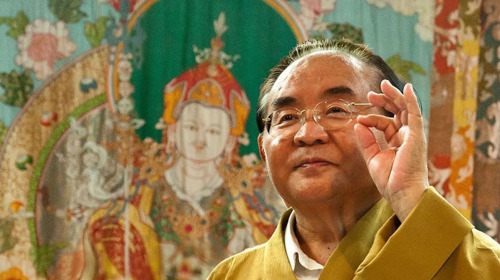
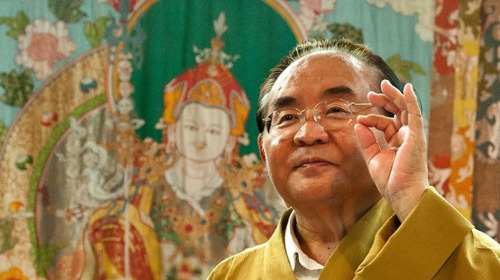
Su Santidad el Dalái Lama dice en Widening the Circle of Love: «La grandeza de la cultura tibetana radica en el detalle de sus enseñanzas sobre cómo cultivar el amor y la compasión.» Esta compilación explora algunos fundamentos de la compasión y su relevancia en nuestra vida diaria y en nuestras relaciones.

Todos tenemos compasión hasta cierto punto: cada vez que pensamos en alguien que ha sido golpeado por la tragedia, nos sentimos conmovidos. Sin embargo, mediante el entrenamiento de nuestra mente, podemos expandir esta compasión básica hacia algo infinitamente más amplio. La compasión combina tanto la empatía como la razón. Cuanto más cultivamos una comprensión profunda de la naturaleza del sufrimiento y de la verdadera naturaleza de las cosas, más profunda y poderosa se vuelve nuestra compasión.

Compilación

La compasión: la joya que concede los deseos

His Holiness the Dalai Lama says in Widening the Circle of Love: "The greatness of Tibetan culture lies in the detail of its teachings on how to cultivate love and compassion." This compilation explores some fundamentals of compassion and its relevance to our daily lives and relationships.

All of us have compassion to a certain extent—whenever we think of someone hit by tragedy, we feel moved. However, through training our mind we can expand this basic compassion into something infinitely vaster. Compassion combines both empathy and reason. The more we cultivate deeper insight into the nature of suffering and the true nature of things, the deeper and more powerful our compassion becomes.

4 Comentario(s)
Authentication required

Debe iniciar sesión para publicar un comentario

comments::comments.log_in
  • Alicia Leon - hace 9 meses
    Thank you

  • Carole Chambers - hace 6 meses
    May we have tgid whole teaching. Pleasee

  • Dominique Lavignon - hace 1 semana
    Sometimes i feel reactive at someone else's verbal agression and outward attitude.....Sometimes it is a kind of passive aggressive statement, a mean inuendo, a way of denying Buddha nature , almost denying the other person's existence or presence by totally ignoring that person or for a more vivid personal example denying my suffering after an accident while emphasising someone else's pain from a bad fall. This can trigger a wave of sadness and resentment, a kind of desappointment and loss of faith in human and sangha's kindness. Not because my suffering is underestimated but because I trusted the person to have equanimity, empathy and a good heart being for instance a person of status and then I feel being slightly, softly bullied, betrayed in a subtle way that can hardly be pinpointed but is still very efficient in debasing my heart. And in the case of the accident that is still quite fresh even though my situation is already quite dire i feel this is not something that i can really express openly to anybody. The already known answer is : you have too much expectation ....and this i can't understand .Somehow by a sort of a "pirouette " the fault is back on me ...either in the name of karma or in the name of my own perception being faulty or something else .Nothing in the attitude of that person is questioned , The whole situation is my fault and my unique fault ....something inside me cannot accept this .Where is compassion ?even in this kind of stoke conclusion , where is all those grand attitud of being of support, embodiment of loving kindness good friend on the path ...etc...Could we manage not to fall in biased explanation ,or ready to serve answers. I share this because it feels it is in the subject of this video...And because I am sure this apply to many including me. The question of developing real heartfelt compassion that does not judge , that is caring ,understanding and loving seems crucial...and the way to actualise this is paramount